
Hear from Our Customers
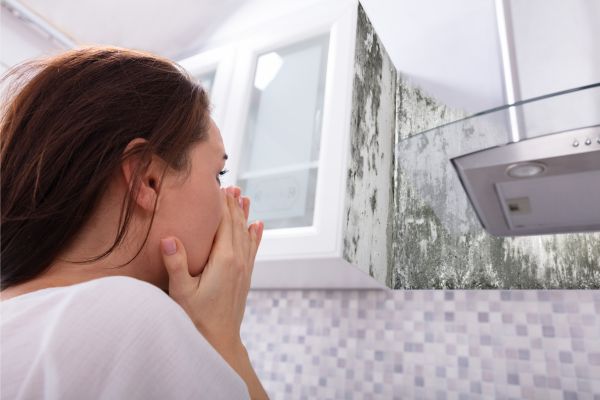
You’ve noticed the smell. Maybe the symptoms—headaches that won’t quit, allergies that flare up at home but disappear when you leave. You’re wondering if it’s mold, but you don’t want to rip open walls or waste money chasing shadows.
That’s where real mold testing comes in. Not a $20 kit from the hardware store that grows the same fuzzy stuff no matter where you swab. We’re talking about professional air sampling, moisture mapping, and lab analysis that tells you exactly what’s in your home and where it’s coming from.
Most homes in Levittown were built in the 1950s. That means decades of settling, hidden leaks, and HVAC systems that have seen better days. Mold doesn’t announce itself. It hides in crawl spaces, behind drywall, under flooring, and inside ductwork. By the time you see it, it’s usually been there a while.
Testing gives you proof. It tells you if you have a problem, how bad it is, and what needs to happen next. No more wondering. No more waiting for it to get worse.
Mack’s Mold Removal serves Levittown and Bucks County with one focus: accurate mold detection and honest answers. We’re not here to upsell you on services you don’t need. We’re here to test your air, inspect your property, and give you results you can act on.
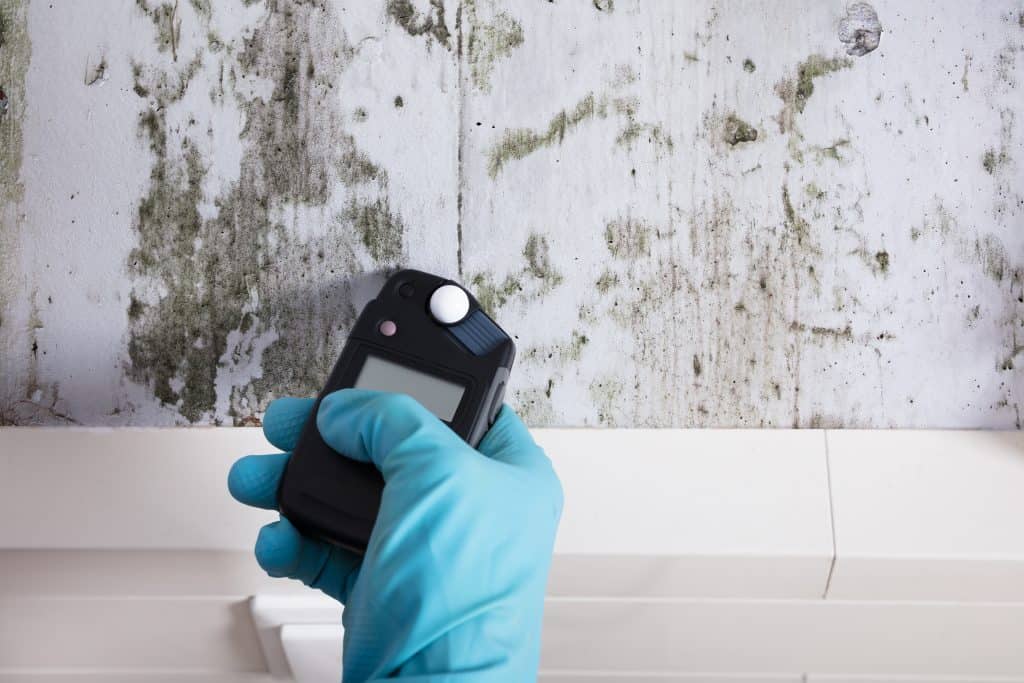
Our team uses thermal imaging, moisture meters, and air sampling equipment that actually works. Every sample we collect goes to a third-party lab—not our lab, not our buddy’s lab—so the results are unbiased and scientifically sound. You get a full report that breaks down mold types, spore counts, and exactly where the problem areas are.
We’ve been doing this long enough to know that Levittown’s older housing stock comes with specific challenges. Increased rainfall in Pennsylvania over the last decade hasn’t helped. Homes that were dry five years ago are dealing with basement moisture and attic condensation now. We’ve seen it all, and we know how to find what others miss.
First, we walk your property. We’re looking at visible signs—discoloration, water stains, peeling paint—but we’re also checking the spots you can’t see. Crawl spaces, attics, behind appliances, inside HVAC systems. We use infrared cameras to detect moisture behind walls and thermal imaging to map temperature differences that signal hidden leaks.
Next, we collect air samples from multiple rooms. These samples capture airborne mold spores that you’re breathing every day but can’t see. We also take surface samples if there’s visible growth or suspicious areas. Everything gets labeled, logged, and sent to an independent lab for analysis.
Within a few days, you get a detailed report. It shows mold types, spore counts per cubic meter of air, and whether your levels are normal or elevated. We walk you through the findings in plain language—no jargon, no scare tactics. If there’s a problem, we explain what it means and what your options are. If your air is clean, we tell you that too.
You’re not locked into using us for remediation. You can take that report to any contractor, your insurance company, or just keep it for your records. The testing stands on its own.
Ready to get started?
You get a certified inspector who knows what to look for and where to look. We inspect your entire property, including the hidden areas most people skip—wall cavities, under flooring, inside ductwork, and behind insulation. We’re not just checking the basement and calling it done.
You get advanced diagnostic tools. Infrared moisture mapping shows us where water is hiding. Thermal imaging reveals temperature anomalies that point to leaks or poor ventilation. High-accuracy air sampling captures what’s actually floating around in your home. This isn’t a visual inspection with a flashlight. It’s a scientific process.
You get lab-certified results from a third-party facility. That means unbiased analysis of every sample we collect. The report includes mold species identification, spore concentration levels, and comparisons to outdoor air quality. You’ll know if your indoor air is worse than outside—and by how much.
And because we know how stressful this process can be, you get support through the insurance side too. If your mold issue stems from a covered event like a burst pipe, we’ll help you navigate the claims process. We provide documentation your insurer needs and work directly with adjusters to keep things moving. We also offer free initial assessments, upfront pricing, and 24/7 emergency response if you’re dealing with an urgent situation.
Levittown’s housing stock is vulnerable. With 86% of homes owner-occupied and most built before 1960, you’re dealing with aging infrastructure in a climate that’s gotten wetter over the past decade. That combination creates the perfect environment for mold. Testing helps you stay ahead of it.
Store-bought kits are surface swabs that grow mold in a petri dish. The problem is they almost always show growth—because mold spores are everywhere. They don’t tell you if you have a problem or if it’s just normal background levels. They can’t measure air quality, identify specific mold types, or quantify spore counts.
Professional mold testing uses calibrated air sampling equipment to capture what’s actually in your breathing space. We collect samples from multiple locations, send them to an accredited lab, and get back detailed reports that show mold species, concentration levels, and whether your indoor air quality is worse than outdoor air. It’s the difference between a guess and a diagnosis.
If you’re trying to make decisions about remediation, insurance claims, or your family’s health, you need real data. A $20 kit won’t give you that. Professional testing will.
It depends on what caused the mold. If the mold resulted from a covered event—like a burst pipe, roof leak during a storm, or appliance malfunction—most homeowners policies will cover testing and remediation. If it’s from long-term neglect or maintenance issues, probably not.
The key is documentation. Insurers want proof that the mold came from a sudden, accidental event. That’s where professional testing helps. We provide detailed reports, moisture readings, and documentation that shows the source and extent of the problem. We also work directly with insurance adjusters to streamline the claims process.
Even if insurance doesn’t cover it, testing is worth the cost. You’re looking at a few hundred dollars to know exactly what you’re dealing with versus thousands in potential remediation costs if you guess wrong or wait too long. And if you’re selling your home, a clean mold report can protect your sale and give buyers confidence.
The inspection itself usually takes one to two hours, depending on the size of your home and how many areas we’re testing. We’re thorough—checking visible areas, hidden spaces, HVAC systems, and anywhere moisture could be hiding. We collect air samples, surface samples if needed, and document everything with photos and moisture readings.
Once we send samples to the lab, results typically come back within three to five business days. The lab report includes mold species identification, spore counts per cubic meter of air, and a breakdown of each sample location. We’ll walk you through the findings and explain what they mean in plain language.
If you’re dealing with an urgent situation—active water damage, strong odors, or health symptoms that are getting worse—we can prioritize your samples for faster turnaround. And we’re available 24/7 if you need immediate assistance. The goal is to get you answers quickly so you can make informed decisions about your next steps.
Basements and crawl spaces top the list. Levittown sits in an area where groundwater and humidity are constant challenges, especially in homes built in the 1950s before modern waterproofing standards. Poor drainage, foundation cracks, and inadequate ventilation create perfect conditions for mold growth below grade.
Attics are another hot spot. Roof leaks, ice dams in winter, and poor ventilation trap moisture in insulation and wooden framing. If your attic doesn’t have proper airflow, condensation builds up and mold follows. Bathrooms and kitchens are obvious risks due to daily moisture from showers, cooking, and leaks under sinks. But the real problem areas are often hidden—inside wall cavities near plumbing, around windows with failing seals, and in HVAC ductwork that’s accumulated years of dust and condensation.
Older homes in Levittown also tend to have outdated HVAC systems that don’t dehumidify effectively. When indoor humidity stays above 60%, mold can grow on almost any surface. That’s why testing multiple areas is so important. What you see in one room might be coming from somewhere else entirely.
Yes. Mold testing is non-invasive and doesn’t disturb your daily routine. We’re not tearing anything apart or releasing contaminants into the air. We collect air samples using quiet, portable equipment and take surface samples with sterile swabs. You can be home during the inspection or leave—whatever works for you.
After testing, there’s no cleanup or downtime. You’ll have results within a few days, and from there you can decide what action to take. If the report shows elevated mold levels, we’ll discuss remediation options and whether temporary relocation makes sense during that process. But the testing itself doesn’t require you to leave.
The exception is if you’re already experiencing severe health symptoms—difficulty breathing, persistent coughing, or allergic reactions that worsen at home. In that case, you might want to stay elsewhere until you know what you’re dealing with. But for most people, testing happens while life goes on as usual. We work around your schedule, including evenings and weekends if that’s easier.
First, don’t panic. “Black mold” usually refers to Stachybotrys chartarum, which gets a lot of attention but isn’t automatically a worst-case scenario. What matters is the concentration, location, and your exposure level. The lab report will tell us exactly what species are present and how much of it is in your air.
If we find elevated levels of any mold—including Stachybotrys—we’ll walk you through what that means for your health and your home. Some molds are more concerning than others, but all mold growth indicates a moisture problem that needs fixing. Remediation involves identifying the moisture source, containing the affected area, removing contaminated materials, and treating surfaces to prevent regrowth.
We’ll give you a clear action plan based on the findings. That might mean fixing a leak and cleaning surfaces, or it could mean more extensive remediation depending on how far the mold has spread. If your situation requires it, we handle the full remediation process—or you can take the report and hire someone else. Either way, you’ll have the information you need to move forward with confidence.
Other Services we provide in Levittown